
Geotechnical Engineering & Construction Materials Testing in Texas
From the grounds up, Quartet Engineers provides soil investigations, geotechnical reports, construction materials testing, special inspections, environmental site assessments, and in-house laboratory testing. Based in Houston, Quartet Engineers serves Greater Houston, Dallas-Fort Worth, and projects throughout Texas.
REQUEST A PROPOSAL






Your Trusted Partner
In Testing, Inspection and Certification
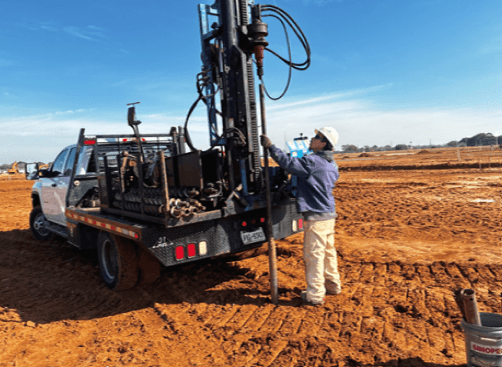
Quartet Engineers is a Houston-based geotechnical engineering, construction materials testing, environmental services, and laboratory testing firm serving projects throughout Texas.Services include geotechnical investigations, soil boring services, geotechnical reports, foundation design recommendations, construction materials testing, special inspections,environmental site assessments, environmental due diligence, and in-house materials laboratory testing. Quartet Engineers primarily supports Greater Houston and Dallas-Fort Worth while erving clients statewide.
Learn MoreCall us for any of your needs on Geotechnical Engineering, Construction Material Testing, and ESA Phase-I & Phase-2 studies.
GEO | CMT | ENV | LAB | DRILL | INSPECT
Quartet Engineers has earned a reputation for providing superior engineering and testing services by merging our technical abilities with our core values.
.png&w=3840&q=75)
.png&w=3840&q=75)
.png&w=3840&q=75)

.png&w=3840&q=75)
Recent Work
Featured Projects

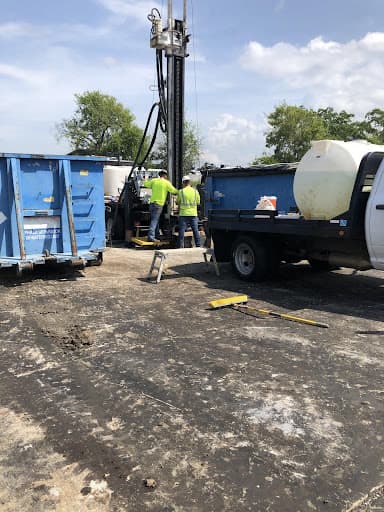



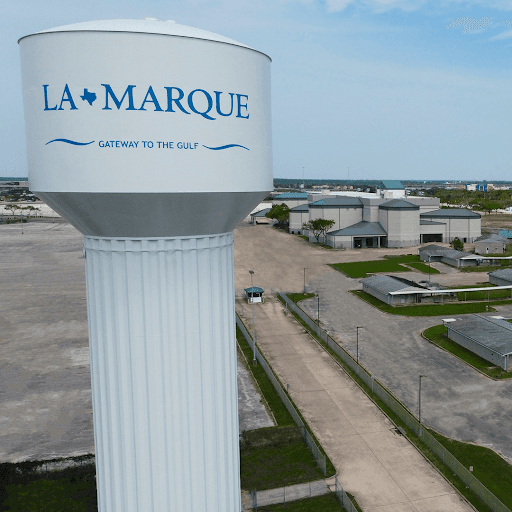

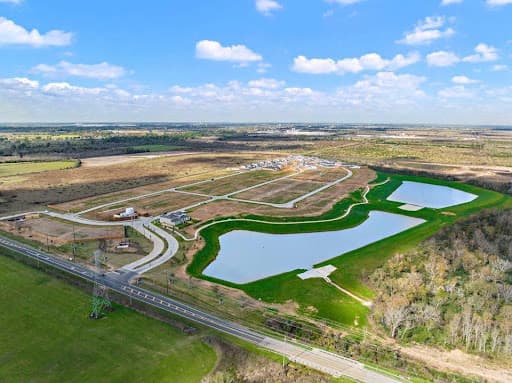
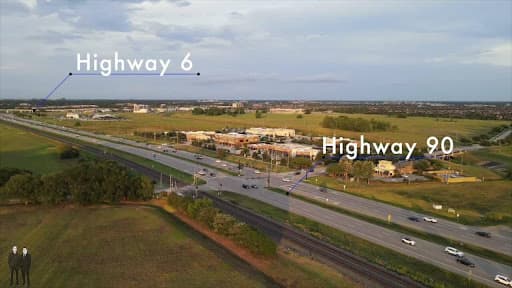

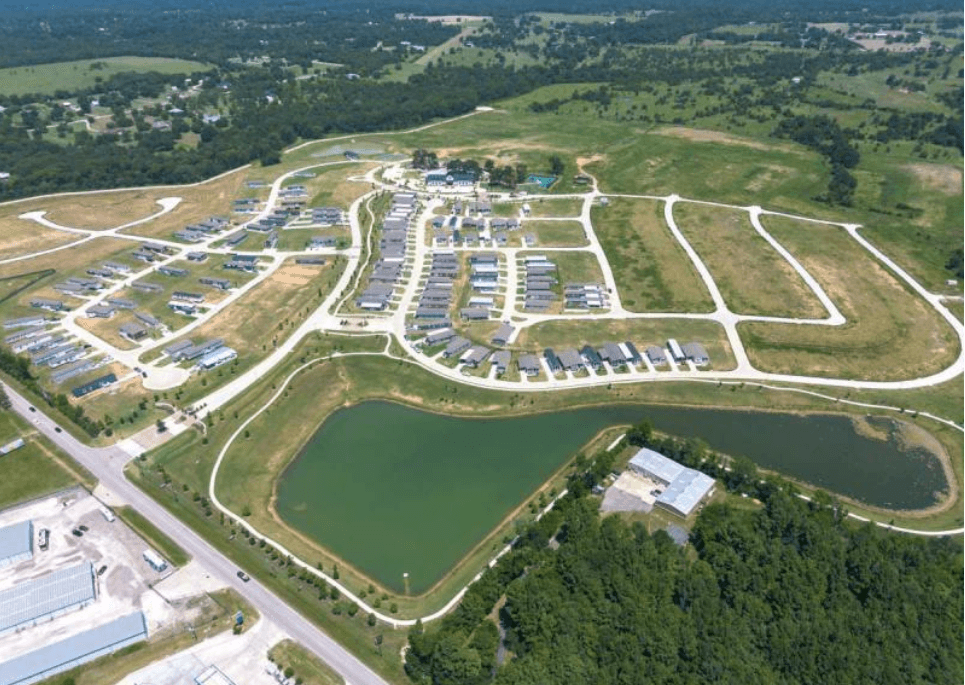

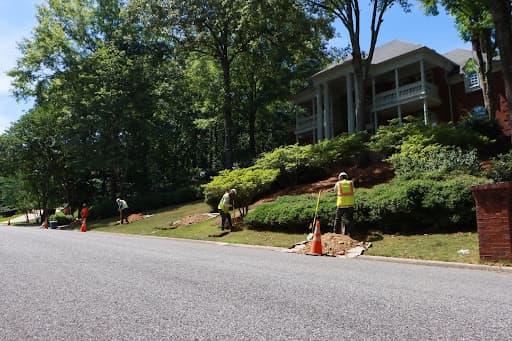
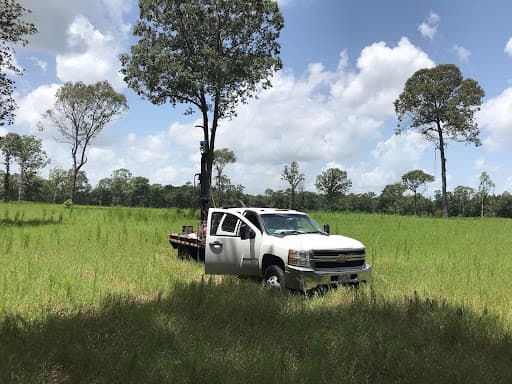




Certifications + Accreditations

Our Services

ISO 6319.01 & 6319.02 / A2LA

Small Business Enterprise

Minority Business Enterprise

17025
Knowledge & Insights
Technical Resources
How to Read a Geotechnical Report (Developer's Edition)
The report lands on a Thursday: forty pages, a stack of boring logs, an appendix nobody opens. Most developers skim to the recommendations, wince at the pier depths, and file it. Fourteen months later a change order arrives for select fill nobody budgeted — and the explanation was on page 12 the whole time. Learning how to read a geotechnical report the way experienced developers do takes about ten minutes, and on Texas Gulf Coast dirt those minutes can move a foundation budget by six figures. A geotechnical report is the sealed engineering document that says what the ground under your site can support and how much it intends to move. It distills soil borings, laboratory testing, and foundation recommendations under a licensed engineer's seal. Your structural engineer will read every page. But you sign the checks, and on Houston clay the gap between a realistic foundation budget and a fantasy usually comes down to five numbers.
Special Inspections Houston: IBC Chapter 17 Without the Headache
The permit comment reads like a fine: "Special inspections required per IBC Chapter 17." Houston owners get that line every week, and the reaction is always the same — another cost, another consultant, another way for the schedule to slip. Here is the calmer truth: the special inspections Houston projects carry are among the most predictable line items in construction. The owners who get burned are almost always the ones meeting the requirement for the first time at permit review.
Houston Expansive Clay: Why Your Foundation Moves (and What Testing Tells You First)
Walk enough Houston driveways and you will eventually find one: a slab crack wide enough to lose a coin in, running from the garage corner toward the front door. Nothing hit that house. The ground did it — slowly, twice a year, in both directions. Houston expansive clay swells when it rains and shrinks when it doesn't, and most of Harris County is built directly on top of it. Quartet Engineers runs geotechnical investigations and A2LA-accredited lab testing across the metro to measure that movement before anyone designs a foundation over it. The story of why the crack forms — and how it gets prevented — starts in the mineral itself.
FAQ
Frequently Asked Questions
Find answers to common questions about Quartet Engineers' geotechnical, environmental, materials testing, and laboratory services
Yes, client information, sample details, test results, and project documents are handled securely. Reports are released only to the client and other authorized parties identified for the project. Information is not shared with outside parties unless the client provides authorization or disclosure is required by applicable law or regulation.
Quality is maintained through documented procedures, trained personnel, calibrated equipment, routine maintenance, and appropriate quality-control checks. Depending on the test, quality-control measures may include blanks, duplicates, standards, control samples, and data reviews. Results are reviewed for completeness and consistency before the final report is issued.
Yes, our technical professionals can explain the test methods, results, and their potential significance for the project. We can help identify whether materials meet specified criteria and discuss possible causes of unusual findings. When appropriate, we can also recommend additional testing, engineering evaluation, monitoring, or corrective action.
Final results are typically issued electronically in a professional laboratory report. The report may include sample identification, test methods, measured results, units, applicable specifications, observations, and supporting tables or graphs. Reports can also be organized to meet project, client, or regulatory reporting requirements.
Each submitted sample is assigned a unique laboratory identification number and recorded in the project tracking system. Sample information, requested tests, storage conditions, transfers, and final disposition are documented throughout the testing process. Environmental samples are additionally tracked using chain-of-custody procedures to maintain traceability and data integrity.
Get Started
Your Project Success Starts Here
Speak with our engineers about your next project. We respond within one business day.