
Environmental Site Assessments & Due Diligence in Texas
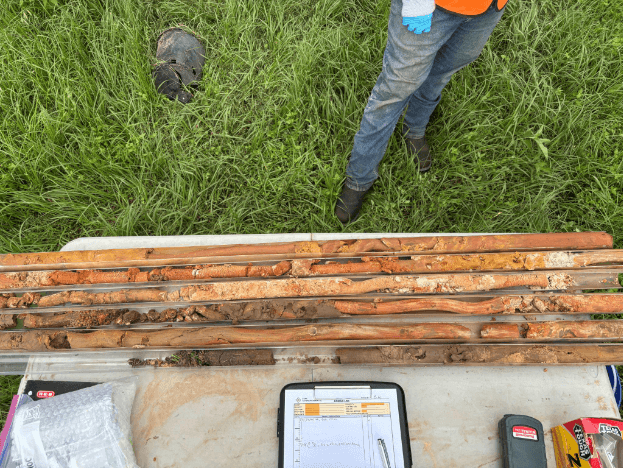
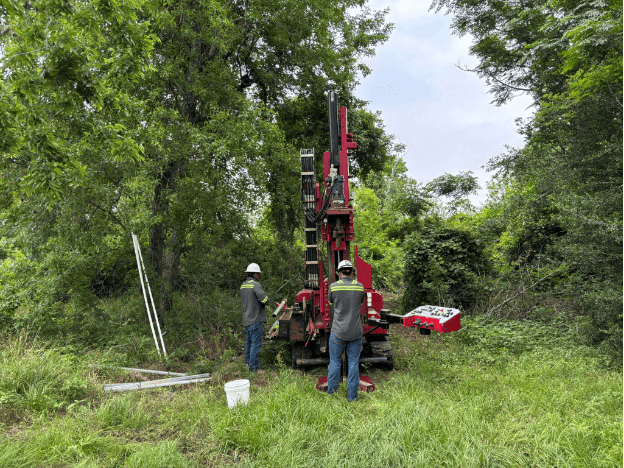
At QEC we also do a Phase II Environmental Site Assessment . A Phase II ESA investigates potential contamination identified during the Phase I assessment. Sampling locations and methods are selected based on recognized environmental conditions and historical site use.
Overview
What Happens During Phase II
Environmental professionals collect soil, groundwater, soil-vapor, or building-material samples. Our Accredited lab analyzes the samples for suspected contaminants such as petroleum, metals, VOCs, or PAHs.And then Finally Quartet’s lab findings are documented in a report that may recommend further investigation, monitoring, remediation, or no additional action.
What we offer
Our ENV (Enviroment phase I) services include
Our ESA Phase-I process involves a meticulous review of historical land use, thorough site inspections, and comprehensive analysis of environmental records. By identifying potential issues early in your project’s lifecycle, we empower you to make informed decisions, mitigate risks, and ensure compliance with regulatory standards. At Quartet Engineers, we are committed to providing clear, actionable insights that safeguard your investments and contribute to the long-term success of your developments
FAQ
Environmental Services FAQs — Phase I & II ESAs in Houston and Texas
What buyers, lenders, and developers ask before closing on Texas property: Phase I ESA cost and shelf life, when a Phase II is triggered, and how deals survive contamination findings.
Along the Texas Gulf Coast, groundwater commonly sits within roughly 5 to 15 feet of the surface, which means almost any release can reach it and any contamination that does can migrate off-site. That raises the stakes of a Phase II: soil-only sampling frequently is not enough, and monitoring wells are a routine part of characterizing a Houston-area site. Groundwater monitoring programs — quarterly or semiannual sampling of permanent wells — track whether a plume is stable, shrinking, or moving toward a neighbor, which drives both TCEQ closure decisions and legal exposure. Budget for well installation and at least a few monitoring events when a release is confirmed; a single sampling round rarely satisfies a regulator or a lender.
The anchor is TCEQ's Voluntary Cleanup Program: complete a risk-based cleanup and receive a certificate of completion that releases future owners and lenders from state cleanup liability — which is what makes impacted sites financeable. MSDs (for groundwater) and TRRP's land-use-based standards work alongside it to keep closure costs proportional to actual risk. Layer on the economics: federal brownfields grants for assessment and cleanup, local incentives such as tax abatements or TIRZ participation in parts of Houston, and the pricing discount on impacted land itself. In a region with Houston's industrial history, buyers who understand this toolkit acquire well-located sites their competitors are afraid to touch.
Only if the consultant issues you a reliance letter — a Phase I protects the party it was prepared for, and CERCLA protections attach to the party that conducted the inquiry. A report addressed to the seller, or to the seller's lender, does nothing for you as the buyer no matter how recent it is. Check three things: the report's age against the 180-day/one-year AAI limits, whether it was written to ASTM E1527-21 (the current standard), and whether the consultant will extend reliance at reasonable cost. Also remember the user's own obligations under AAI — the buyer must disclose specialized knowledge and check for environmental liens; a borrowed report does not do that for you.
Usually not. Texas has well-worn paths for closing on impacted property: TCEQ's Voluntary Cleanup Program (VCP) provides a certificate of completion that releases future owners and lenders from state cleanup liability, and the Texas Risk Reduction Program (TRRP) allows risk-based closures tied to actual land use rather than pristine-soil standards. What changes is the deal math, not necessarily the deal: purchase price adjustments, escrows, seller cleanup obligations, or environmental insurance all get built around the data. The buyers who lose here are the ones who discover contamination after closing — with no data, no price adjustment, and CERCLA liability they could have avoided with a compliant Phase I. This is educational information, not legal advice; structure liability protections with your attorney
Expect a Phase II. Former fuel sites carry petroleum storage tank (PST) histories — TCEQ's PST registry and leaking-tank case files are the first stop — and the question is whether old releases were closed out and whether closure standards then match your use now. Former dry cleaners are often worse: chlorinated solvents sink, travel, and can migrate under neighboring parcels. These deals close all the time in Houston; they just close with data. Soil borings and groundwater samples targeted at the tank field, dispenser islands, or machine location convert an unknown into a scoped, priceable condition — which is what your lender and your pro forma both need.
A recognized environmental condition (REC) is the Phase I's formal finding: evidence of a likely or known release of hazardous substances or petroleum at the property, as defined by ASTM E1527-21. It is a professional opinion about risk — not a confirmed contamination result and not a cleanup order. No, a REC does not automatically trigger a Phase II. The buyer and lender decide, weighing the REC's severity, the deal structure, and risk tolerance. In practice, most lenders will not close on an unresolved REC, so the practical answer is usually yes — investigate it or negotiate around it. What a REC should never trigger is panic pricing before anyone has collected a sample.
Vacant today tells you nothing about 1955. Houston famously has no zoning, so machine shops, salvage yards, and fuel operations historically sat next to homes and pastures anywhere in Harris County. Filled ditches, buried tanks, and dumped drums do not show up from the fence line. The Phase I exists precisely to answer this: historical aerials, Sanborn fire insurance maps, city directories, and regulatory databases reconstruct what the site and its neighbors actually were. Some of the most expensive surprises in Gulf Coast redevelopment have come out of "empty" tracts — former oilfield sites, unrecorded landfills, and pipeline corridors among them.
Most commercial banks require a Phase I on real estate collateral above internal thresholds, and SBA-backed loans have explicit environmental policies — sites with higher-risk histories, such as gas stations and dry cleaners, effectively always require investigation. HUD, Fannie Mae, and Freddie Mac multifamily programs carry their own environmental protocols. Even when a lender does not require one, the Phase I is what qualifies a buyer for CERCLA's innocent landowner and bona fide prospective purchaser protections. Skipping it to save a few thousand dollars means taking a federal liability position with no defense — on land in a region with more than a century of industrial history.
Under the EPA's All Appropriate Inquiries (AAI) rule and ASTM E1527-21, a Phase I is presumed current for 180 days from the earliest date of key research, and can be used up to one year if specific components — regulatory review, interviews, site reconnaissance, lien search — are updated. Past one year, you need a new report. The trap: the 180-day clock starts at the first records search, not the report date. A Phase I ordered early in a long-running deal can go stale before closing. If your timeline slips, ask the consultant for an update letter early — it is far cheaper than a re-do at the closing table.
Ready to start?
Safeguard your project from day one.
Our Phase I reports are delivered by licensed professionals and are accepted by lenders, regulators, and due-diligence teams across Texas.